
WHY PFI
America is facing a
retirement readiness
crisis
PFI was created in 2025 because America is facing a retirement readiness crisis, and although tens of millions of Americans need and want financial advice, the financial advisory field cannot keep up with demand.
THE PROBLEM
Few Americans are Financially Secure…
0
%
of adults have credit card debt
Only
0
%
of adults have 3 months of savings
0
%
of U.S. adults cannot pay an unexpected bill of $400 without going into debt
Only
0
%
of U.S. adults have calculated their retirement needs
The typical working American has less than $1,000 saved for retirement;
0
%
have zero saved
$
0
M
is needed for retirement security, but the median savings of adults ages 55–64 is just $185,000 – an 87% shortfall
More than
0
%
of Americans will not be able to maintain their lifestyle in retirement
0
%
grade their financial skills as “C” or worse
0
%
of Americans worry more about retirement savings than death
Bad financial decisions cost the U.S. economy
$
0
B
each year
Only
0
%
of adults can correctly answer half of the questions on a basic financial literacy quiz; no improvement since 2017
Sources: TIAA, National Assn of Plan Advisors, Intuit, Federal Reserve, National Institute on Retirement Security, National Assn of Legal Assistance, Investopedia, Barron’s, Kiplinger, The Wall Street Journal, Georgetown Retirement Initiatives, Vanguard, MarketWatch, Journal of Accountancy, Spark Institute, Empower, Minneapolis Federal Reserve, Fidelity, American Society of Pension Professionals and Actuaries, Global Financial Literacy Excellence Center, Moneywise
…and There are Few Financial Advisors to Help Them
- More Certified Financial Planners® are over age 70 than under age 30
- 38% of advisors will retire within 10 years
- The industry will have 100,000 fewer financial advisors than it needs in 10 years
Sources: UBS, Empower, U.S. Census Bureau, Finbold Research, CFP Board, McKinsey

Too Few Colleges and Universities Provide Financial Planning Degrees or Offer Financial Wellness Programs to their Students or Faculty
268,000 Graduates. Almost None of Them Trained to Help You.
In 2025, more than 1,500 colleges and universities granted degrees in Business, Accounting, Finance, and Marketing to 268,000 graduates.
4,087. That’s How Few New Financial Planners Graduated Last Year.
By contrast, less than 200 schools offer a degree in Financial Planning, and they produced only 4,087 graduates in 2025.
86% of Campuses Leave Students Financially on Their Own
Only 14% of schools have structured financial services, such as wellness centers, peer financial coaching, and regular workshops on budgeting and debt counseling.
Nine Out of Ten Campuses Have No Financial Counselor at All
As few as 10% have dedicated financial counselors with services available to faculty and staff as well as students.
Good Intentions. Inadequate Execution.
Most programs are underfunded, poorly marketed, and limited in scope.
Sources: Research Gate, Higher Education Financial Wellness Alliance, CFP Board, Ellucian, Forbes, Center for Economic Education, National Endowment for Financial Education, Excel in Ed, National Association of State Boards of Education, Enrich, Department of Labor, Intuit, Junior Achievement, American Bankers Assn, EBSCO industries, Next Gen Personal Finance, TIAA, Seton Hall University
THE SOLUTION
PFI’s Ecosystem is First-of-its-Kind…

…Delivering Research, Conferences and Professional Development Opportunities for the Current Financial Planning Profession…
PFI’s research in investment management and financial planning strategies advance the profession’s ability to deliver advanced advice and services to clients. Its conferences, retreats and other events help advisors, C‑Suite executives, management and staff improve their skills and advance their careers through professional development programs and networking opportunities.

…Supporting the Creation of the Next Generation of Financial Planners…
PFI works closely with Rowan University’s School of Financial Planning and its Center for Financial Education. Housed in Rowan’s world-class Rohrer College of Business in partnership with Edelman Financial Engines, the school is devoted to creating the next generation of financial advisors. The school is affiliated with Rowan’s Center for Financial Education, which provides financial wellness programs for all Rowan students, faculty and staff – and enables students enrolled in the School of Financial Planning to provide peer-to-peer financial counseling; students get much-needed guidance while SFP majors gain practical experience.

…Enhancing Financial Literacy Nationwide…
PFI’s financial education content is comprehensive, fun to read and free! It has been developed over the past four decades and includes every aspect of personal finance, helping you understand how money works and how you can make it work for you.

…and Honoring Those Who Launched the Financial Planning Field
PFI’s Museum of Personal Finance collects, preserves, curates and displays the history of the personal finance field. The museum celebrates the people, institutions and innovations that have shaped how Americans save, invest and build financial security. MoPF works in cooperation with the Museum of American Finance, an affiliate of the Smithsonian Institution, which offers financial literacy programs and public events, empowering individuals of all backgrounds to strive toward financial independence.
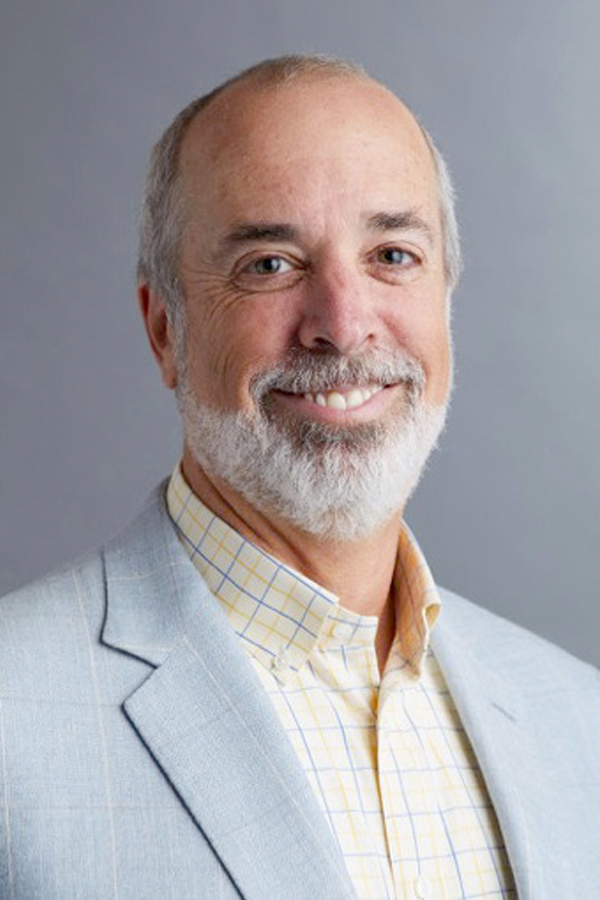
Founder
Ric Edelman
Founder, Digital Assets Council of Financial Professionals
Founder, The Truth About Your Future
Founder, Personal Finance Institute
Ric Edelman founded the nation’s largest financial planning firm, which manages $350 billion for 1.4 million families across the United States. He was ranked three times as the nation’s #1 Independent Financial Advisor by Barron’s, is in two industry Halls of Fame and recipient of three Lifetime Achievement Awards. He holds two patents for financial product innovation, appeared on The Oprah Winfrey Show five times and was once the answer to 21 Across in a New York Times crossword puzzle.
Edelman is the #1 bestselling author of 14 books on personal finance, with more than 1.2 million copies in eight languages worldwide. At Rowan University, he is Founding Head of the School of Financial Planning; benefactor of the Edelman Fossil Park and Museum of Rowan University, the Ric & Jean Edelman Planetarium and the Edelman Scholars; and the Ric Edelman College of Communications, Humanities and Social Sciences is named in his honor.