



Take Control of Your Financial Future

How money works, and how to make it work for you

Welcome to The Personal Finance Institute, where financial empowerment begins. Whether you’re just starting your financial journey or looking to strengthen your existing plan, we’re here to guide you through every aspect of personal finance.

Our comprehensive resources cover everything from debt elimination and cash reserves to home ownership, investments, retirement, and estate planning—plus specialized guidance on marriage planning, college planning, and caring for aging relatives.

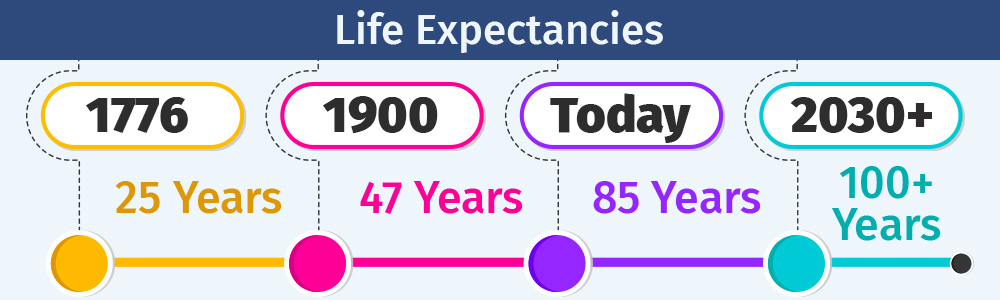
…We’re Living Longer Than Ever Financial Planning is Essential Because… During the American Revolution, life expectancy for the colonists was 25 years. In 1900, it was 47. Today, it’s 85, and if you’re alive in 2030, many scientists studying aging and longevity say you can expect to live beyond age 100.

Will your money last as long as you do?


…Your Parents (or In-Laws) are Living Longer Than Ever, Too Financial Planning is Essential Because… 63 million Americans, or about 1 in 4 adults, are family caregivers. Their average age is 51, and they provide a median 4 hours of care each day. A third of caregivers have children under 18 at home, and the majority have jobs (with half of them reporting adverse job impacts, such as taking unpaid leave from work or turning down promotions). The average caregiver spends $7,200 per year on caregiving expenses, with half reporting a negative impact on their own finances.

All this explains why 64% of caregivers report emotional stress and have higher rates of depression than non-caregivers.

Have you considered whether you might become a caregiver, and how you’ll manage that obligation without harming your personal finances or interfering with your goals?


…College is More Expensive than Ever Financial Planning is Essential Because… Six in 10 high school seniors go to college, but a quarter of college freshmen drop out and only 62% graduate after six years. And 10 years later, only half of college graduates are in jobs that require a degree. Worst of all, 20 years after graduating, 42% of student loan borrowers are still paying off their debt.

College can still be still the right choice for teens – but only if the journey is navigated correctly. Do it right and a future filled with prosperity and happiness awaits; done wrong, though, college can ruin a teen’s life.

Are you helping your teen properly decide whether college is the right choice – and if so, how to minimize the cost and emerge with a degree that leads to a happy life?


…Automobiles Cost More than Ever Financial Planning is Essential Because… The average vehicle now costs more than $51,000, and the average buyer finances nearly $42,000 of the purchase, typically with a 72-month loan – creating the high likelihood that the amount owed in just a year will exceed the value of the car.

Is your vehicle purchase one that you’ll be happy with long into the future?


…Home Affordability for First-Time Buyers
is Lower than Ever
Financial Planning is Essential Because… In 1991, the average first-time home buyer was 28 years old. Today, the average first-time home buyer is 38 – and their monthly payments absorb about 40% of their incomes – considerably more than the 25% level that financial advisors recommend. This is why, for households earning $50,000, only one in 12 houses for sale are affordable.

Are you engaging in the strategies that can help you buy a home without leaving you “house rich/cash poor?”


…Jobs are Less Stable Than Ever Financial Planning is Essential Because… In 1900, the average company lasted 65 years. In 2020, the lifespan was 15 years. That means workers are forced to seek new jobs even when they don’t want to. This helps explain why the average worker has had 7 jobs by age 35.

AI is another job threat; the technology might replace 300 million workers in the U.S. and Europe, according to Goldman Sachs. By 2030, half of entry-level jobs could disappear, resulting in unemployment rates as high as 20%.

Is your job – and income – safe?


…Inflation is Eroding the Value of Your Money Financial Planning is Essential Because… From 1970 to 2025, the dollar lost 88% of its value due to inflation, according to the Bureau of Labor Statistics. It lost 47% just since 2000.

Are your savings and investments earning returns high enough to offset the impact of inflation?


…Taxes Have Never Been Higher –
and They Continue to Rise
Financial Planning is Essential Because… 1913: The federal income tax is introduced – a mere 1% rate, and only assessed on Americans who had incomes of $20,000 or more. At the time, the average American earned $600 per year, according to the Census Bureau, , meaning few Americans paid any income tax.

2026: The top income tax rate is 37%, plus 3.8% for the Net Investment Income Tax, for a total of 40.8%. Americans also pay state income taxes, sales taxes, capital gains taxes, property taxes, estate taxes and license fees. And let’s not forget payroll taxes, which have nearly doubled since 1970. Today, the average American pays more in payroll taxes than income taxes.

Remember, it’s not what you earn that matters – it’s what you keep after taxes. Are you taking full advantage of the many ways you can lower your taxes?


…We Have More Access to Credit Than Ever – and More Debt as a Result Financial Planning is Essential Because… Americans owe $1.8 trillion in student debt, an average $41,530 per student borrower, plus $1.7 trillion in auto loans, $12 trillion in credit card debt and $12.6 trillion in mortgage debt.

Is your debt spiraling you into poverty, or are you properly managing your debts to improve your future financial security?


…Social Security, Pension Plans and Annuities Aren’t as Reliable as They Were Financial Planning is Essential Because… Social Security benefits for all retirees will be reduced 24% in 2032 unless Congress acts. At the same time, and pension plans and annuities haven’t actuarily adjusted for today’s longer-than-ever life expectancies, threatening their ability to fulfill their promises giving retirees lifetime income.

Are you depending on these programs for income in retirement?


…You Face Increased Risk of Loss from Scams and Fraud Financial Planning is Essential Because… Two in five U.S. adults say they’ve lost money to fraud. The FBI says victims reported losses of $17 billion in 2024 – an average of nearly $20,000 per victim. Although criminals target all age groups those over age 60 suffer the biggest losses. Imposter scams, investment scams, job opportunity scams, romance scams, phishing and spoofing, extortion and personal data breaches are the most common tactics of crooks.

Do you know how to protect yourself and your family from internet and cybersecurity threats?


…We Can’t Assume that
Family Will Support Us
Financial Planning is Essential Because… In 1850, the average U.S. household had six members. Today’s has 2.5. People used to die in the towns where they were born, but the average American now moves 11 times during their lifetime. And more women 75+ live alone than with relatives.

Will you have sufficient financial resources to provide for your own support in retirement, without being dependent on others?


…We Can’t Be Sure Our Spouse
Will Care for Us
Financial Planning is Essential Because… 46% of marriages end in divorce, and the average wife becomes a widow at age 59.

Have you taken steps to make sure you are self-reliant in retirement?

…But Most Americans Are Failing Financially 37% of U.S. families can’t pay an unexpected bill of $400 without going into debt …But Most Americans Are Failing Financially Less Than
Half
of U.S. adults have enough savings to pay expenses for three months
…But Most Americans Are Failing Financially 40% of younger workers are living paycheck to paycheck and thus can’t save for retirement …But Most Americans Are Failing Financially 40% of those earning $200,000 to $300,000 per year aren’t saving for the future …But Most Americans Are Failing Financially 46% of U.S. households have no retirement savings About 40% of Americans have less than $50,000 saved for retirement …But Most Americans Are Failing Financially Less than 5% of Americans have $1 million+ in retirement assets …But Most Americans Are Failing Financially Among households ages 55–64, 55% have less than $25,000 in retirement savings and
41% have zero
…But Most Americans Are Failing Financially
36% of adults owe more to credit cards than they have in emergency savings …But Most Americans Are Failing Financially 43M U.S. adults owe an average $41,530 in student loans …But Most Americans Are Failing Financially 25% of U.S. adults don’t know how much money they’ve saved …But Most Americans Are Failing Financially Only one in four adults (27%) answered at least five of the seven
questions correctly
49% correctly When asked seven basic questions about personal finance, the average U.S. adult answered only …But Most Americans Are Failing Financially
Only 33% of Americans have a written financial plan …But Most Americans Are Failing Financially Only 16 states require that high school students complete a dedicated personal finance class …But Most Americans Are Failing Financially

…We’re Living Longer Than Ever Financial Planning
is Essential Because…
During the American Revolution, life expectancy for the colonists was 25 years. In 1900, it was 47. Today, it’s 85, and if you’re alive in 2030, many scientists studying aging and longevity say you can expect to live beyond age 100.

Will your money last
as long as you do?


63 million Americans, or about 1 in 4 adults, are family caregivers. Their average age is 51, and they provide a median 4 hours of care each day. A third of caregivers have children under 18 at home, and the majority have jobs (with half of them reporting adverse job impacts, such as taking unpaid leave from work or turning down promotions). The average caregiver spends $7,200 per year on caregiving expenses, with half reporting a negative impact on their own finances.

All this explains why 64% of caregivers report emotional stress and have higher rates of depression than non-caregivers.

Have you considered whether you might become a caregiver, and how you’ll manage that obligation without harming your personal finances or interfering with your goals?


Financial Planning
is Essential Because…
…Your Parents (or In-Laws) are Living Longer Than Ever, Too
Six in 10 high school seniors go to college, but a quarter of college freshmen drop out and only 62% graduate after six years. And 10 years later, only half of college graduates are in jobs that require a degree. Worst of all, 20 years after graduating, 42% of student loan borrowers are still paying off their debt.

College can still be still the right choice for teens – but only if the journey is navigated correctly. Do it right and a future filled with prosperity and happiness awaits; done wrong, though, college can ruin a teen’s life.

Are you helping your teen properly decide whether college is the right choice – and if so, how to minimize the cost and emerge with a degree that leads to a happy life?


Financial Planning
is Essential Because…
…College is More Expensive than Ever
The average vehicle now costs more than $51,000, and the average buyer finances nearly $42,000 of the purchase, typically with a 72-month loan – creating the high likelihood that the amount owed in just a year will exceed the value of the car.

Is your vehicle purchase one that you’ll be happy with long into the future?


Financial Planning
is Essential Because…
…Automobiles Cost More than Ever
In 1991, the average first-time home buyer was 28 years old. Today, the average first-time home buyer is 38 – and their monthly payments absorb about 40% of their incomes – considerably more than the 25% level that financial advisors recommend. This is why, for households earning $50,000, only one in 12 houses for sale are affordable.

Are you engaging in the strategies that can help you buy a home without leaving you “house rich/cash poor?”


Financial Planning
is Essential Because…
…Home Affordability for First-Time Buyers is Lower than Ever
In 1900, the average company lasted 65 years. In 2020, the lifespan was 15 years. That means workers are forced to seek new jobs even when they don’t want to. This helps explain why the average worker has had 7 jobs by age 35.

AI is another job threat; the technology might replace 300 million workers in the U.S. and Europe, according to Goldman Sachs. By 2030, half of entry-level jobs could disappear, resulting in unemployment rates as high as 20%.

Is your job – and income – safe?


Financial Planning
is Essential Because…
…Jobs are Less Stable Than Ever
From 1970 to 2025, the dollar lost 88% of its value due to inflation, according to the Bureau of Labor Statistics. It lost 47% just since 2000.

Are your savings and investments earning returns high enough to offset the impact of inflation?


Financial Planning
is Essential Because…
…Inflation is Eroding the
Value of Your Money
1913: The federal income tax is introduced – a mere 1% rate, and only assessed on Americans who had incomes of $20,000 or more. At the time, the average American earned $600 per year, according to the Census Bureau, , meaning few Americans paid any income tax.

2026: The top income tax rate is 37%, plus 3.8% for the Net Investment Income Tax, for a total of 40.8%. Americans also pay state income taxes, sales taxes, capital gains taxes, property taxes, estate taxes and license fees. And let’s not forget payroll taxes, which have nearly doubled since 1970. Today, the average American pays more in payroll taxes than income taxes.

Remember, it’s not what you earn that matters – it’s what you keep after taxes. Are you taking full advantage of the many ways you can lower your taxes?


Financial Planning
is Essential Because…
…Taxes Have Never Been Higher –
and They Continue to Rise
Americans owe $1.8 trillion in student debt, an average $41,530 per student borrower, plus $1.7 trillion in auto loans, $12 trillion in credit card debt and $12.6 trillion in mortgage debt.

Is your debt spiraling you into poverty, or are you properly managing your debts to improve your future financial security?


Financial Planning
is Essential Because…
…We Have More Access to Credit Than Ever – and More Debt as a Result
Social Security benefits for all retirees will be reduced 24% in 2032 unless Congress acts. At the same time, and pension plans and annuities haven’t actuarily adjusted for today’s longer-than-ever life expectancies, threatening their ability to fulfill their promises giving retirees lifetime income.

Are you depending on these programs for income in retirement?


Financial Planning
is Essential Because…
…Social Security, Pension Plans
and Annuities Aren’t as Reliable
as They Were
Two in five U.S. adults say they’ve lost money to fraud. The FBI says victims reported losses of $17 billion in 2024 – an average of nearly $20,000 per victim. Although criminals target all age groups those over age 60 suffer the biggest losses. Imposter scams, investment scams, job opportunity scams, romance scams, phishing and spoofing, extortion and personal data breaches are the most common tactics of crooks.

Do you know how to protect yourself and your family from internet and cybersecurity threats?


Financial Planning
is Essential Because…
…You Face Increased Risk of Loss
from Scams and Fraud
In 1850, the average U.S. household had six members. Today’s has 2.5. People used to die in the towns where they were born, but the average American now moves 11 times during their lifetime. And more women 75+ live alone than with relatives.

Will you have sufficient financial resources to provide for your own support in retirement, without being dependent on others?


Financial Planning
is Essential Because…
…We Can’t Assume that
Family Will Support Us
46% of marriages end in divorce, and the average wife becomes a widow at age 59.

Have you taken steps to make sure you are self-reliant in retirement?

Financial Planning
is Essential Because…
…We Can’t Be Sure Our Spouse
Will Care for Us

…But Most Americans Are
Failing Financially
37% of U.S. families can’t pay an unexpected bill of $400 without going into debt
…But Most Americans Are
Failing Financially
Less Than
Half
of U.S. adults have enough savings to pay expenses for three months
40% of younger workers are living paycheck to paycheck and thus can’t save for retirement …But Most Americans Are
Failing Financially
of those earning $200,000 to $300,000 per year aren’t saving for the future 40% …But Most Americans Are
Failing Financially
46% of U.S. households have no retirement savings …But Most Americans Are
Failing Financially
About 40% of Americans have less than $50,000 saved for retirement …But Most Americans Are
Failing Financially
Less than 5% of Americans have $1 million+ in retirement assets …But Most Americans Are
Failing Financially
Among households ages 55–64, 55% have less than $25,000 in retirement savings and 41% have zero …But Most Americans Are
Failing Financially
36% of adults owe more to credit cards than they have in emergency savings …But Most Americans Are
Failing Financially
43M U.S. adults owe an average $41,530 in student loans …But Most Americans Are
Failing Financially
25% of U.S. adults don’t know how much money they’ve saved …But Most Americans Are
Failing Financially
Only one in four adults (27%) answered at least five of the seven
questions correctly

49% correctly When asked seven basic questions about personal finance, the average U.S. adult answered only …But Most Americans Are
Failing Financially
Only 33% of Americans have a written financial plan …But Most Americans Are
Failing Financially
Only 16 states require that high school students complete a dedicated personal finance class …But Most Americans Are
Failing Financially
PFI Quizzes
Want to test your knowledge further?
PFI Quizzes
Want to test your knowledge further?

The Personal Finance Essentials

Financial Planning

Cash Reserves

Credit & Debt

Insurance

Taxes

Home
Ownership

Investment Management

Entre-
preneurship

College
Planning

Career
Planning

Marriage
Planning

Retirement
Planning

Longevity
Planning

Estate
Planning

Kids &
Money

Crypto

Choosing a
Financial
Advisor

The Words Behind the Money

Your A‑to‑Z Glossary of the Financial Terms That Matter Most

Finance has a language all its own and not understanding it can cost you. How many financial terms have you nodded along to without really knowing?