




Personal Finance Essentials

Home Ownership and Your Financial Plan

How Buying a Home Impacts

Taxes, Savings, Insurance, and Your Long-Term Goals

FinancialPlan

Home ownership does not exist in isolation. Buying a home affects your tax situation, your cash reserves, your retirement savings, your insurance needs and your estate plan. A major home purchase or refinancing is one of the clearest signals that a complete review of your entire financial picture is needed.

The decisions involved go far beyond choosing between two interest rates. Should you use savings for a down payment or keep them invested? How does this purchase affect your retirement timeline? Does your will need to be updated? Do you have enough disability coverage to protect your ability to make this payment? Does the transaction change your tax picture? These are the questions worth asking before you sign.

Anyone can shop for a mortgage. The more valuable work is understanding how that mortgage fits into the rest of your financial life and making decisions that serve the whole picture — not just one piece of it.

Five Action Steps

Step #1
Get as much cash out of your home as possible. If you do not have a loan, get one. If your current loan is old, refinance to a larger one.
1
Step #2
Choose a 30-year loan, not a 15-year loan. The lower payment, the higher tax deduction, and the greater liquidity are all to your benefit.
2
Step #3
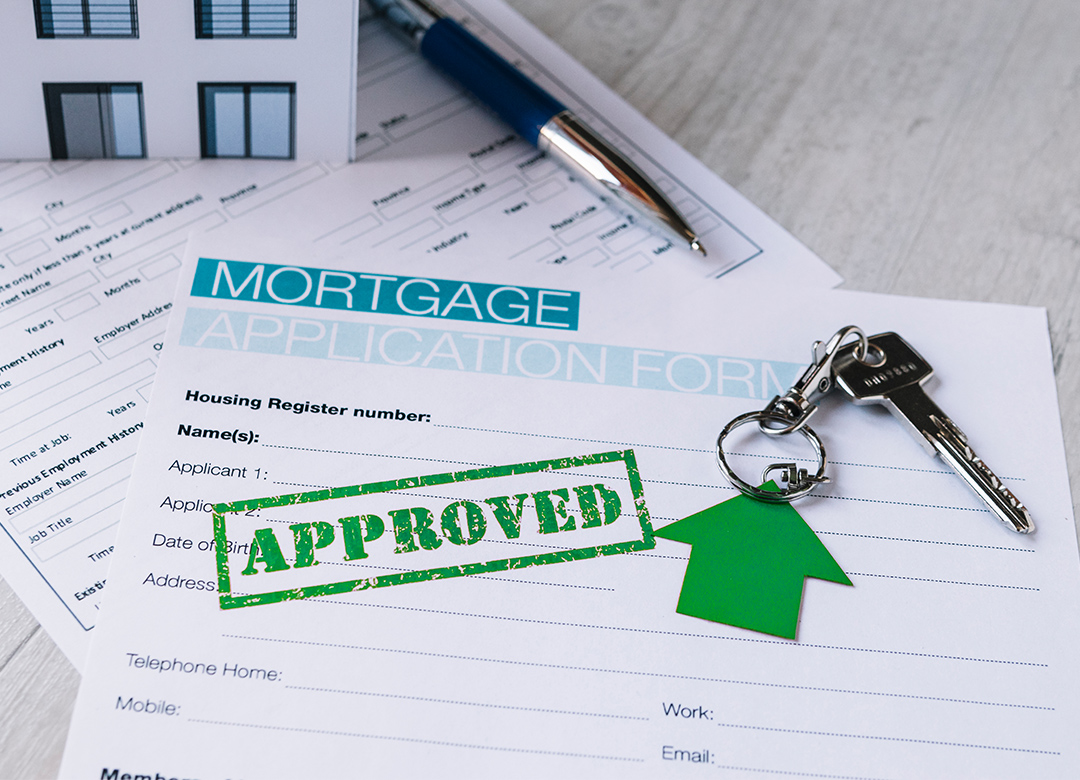
If your current mortgage is fifteen or more years old, refinance to a new 30-year loan. Old loans consist mainly of principal payments, which are not tax-deductible.
3
Step #4
Never send extra cash to your lender. Put that money into cash reserves, savings, and investments instead.
4

Step #5
Never enroll in bi-weekly mortgage programs. These force you to make extra payments each year, reducing your cash and eliminating your tax deduction sooner.
5