



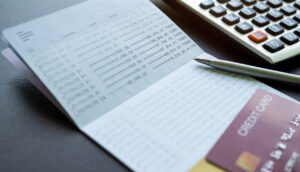
 The easy approach is to look at your bank and credit card statements, but that method may not capture the full picture. Credit card charges and sporadic expenses – such as annual insurance premiums or quarterly tax payments – can fall through the cracks. A more reliable method is to review your bank and credit card statements for the past six months, and exclude any one-time or non-recurring expenses. That gives you an accurate average of your true monthly spending. Once you know your monthly expenses, multiply by the appropriate number of months to determine your target reserve level.
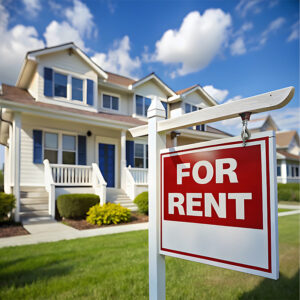 If you own rental property, your cash reserve needs are larger than most. In addition to your personal reserves, you should maintain at least 12 months’ worth of the rental property’s carrying costs – mortgage payments, taxes, insurance and maintenance – set aside specifically for that property.
The reason is straightforward: tenants can stop paying rent, and the legal process is slow and expensive. In a worst-case scenario, a tenant can stop paying, file for bankruptcy to delay eviction and ultimately leave the property damaged – all over the course of a year or more. Without dedicated reserves for that property, those costs come directly out of your personal finances. This is true for every rental property you own, so add 12 months of carrying costs per property to your total reserve target.