



 A broken appliance, a medical emergency, a job loss, a natural disaster – these are genuine crises. A vacation, a new television or a dinner out does not qualify. Your cash reserves should never be treated as a savings account you draw from whenever a want arises. Once you allow yourself to dip into reserves for non-emergencies, you’ll find yourself without resources when a real emergency hits.
Think of cash reserves the way you think of an umbrella: you don’t carry it because you expect rain every day. You carry it because you know that one day, rain will come – and when it does, you’ll be glad it’s there. Never touch your reserves unless you face a genuine crisis, just as you’d never open your umbrella unless it started raining.
 If a genuine crisis forces you to use your reserves, that’s exactly what they’re there for. But your first priority after the crisis passes is to rebuild your reserves back to their full level. Think of your reserves as a line of defense that must always be fully maintained. Depleting it and leaving it depleted defeats the purpose entirely.
Also keep in mind that if you plan to incur a large expense within the next two years – home improvements, a car purchase, a wedding or college costs – you should set aside money for those expenses in addition to your reserves. Your goal is to maintain reserves at a fully funded level at all times, regardless of other planned spending.
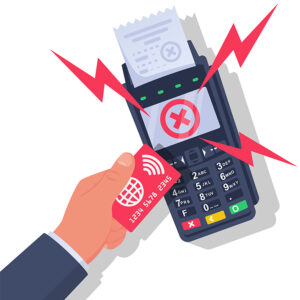 Credit cards and home equity lines of credit may seem like they can fill the role of cash reserves, but they cannot. Credit is good to have, but it should complement – not replace – your cash reserves. In a stable environment, credit is a useful tool. In a real crisis, credit disappears. Financial institutions cancel outstanding lines of credit at the first sign of financial distress – precisely when you would need to draw on them.
Cash reserves exist because, in a crisis, cash is king. There is no financial strategy that substitutes for having real, accessible money when you need it most.